Six years teaching at an advertising school in Buenos Aires, then I opened Grow with the know-how and no capital. It became one of Argentina's first digital schools and one of its three largest within two years — nine years, 10,000+ students, and a catalog I decided, taught, filmed and sold myself.
Grow opened in a rented 50 m² room in Belgrano, a neighbourhood of Buenos Aires, where passing trains drowned out the instructor. It was profitable in its first month, and within two years it was one of the three largest digital schools in the country, across three locations.
The gap was never closed with money. It was closed by arriving early and building courses for specializations nobody had named yet. Content Creator, Digital Planner, Social Media Manager, Digital Political Communication Specialist — these were job titles being invented while we taught them, and there was no syllabus anywhere to copy. Competitors eventually copied three of ours outright.

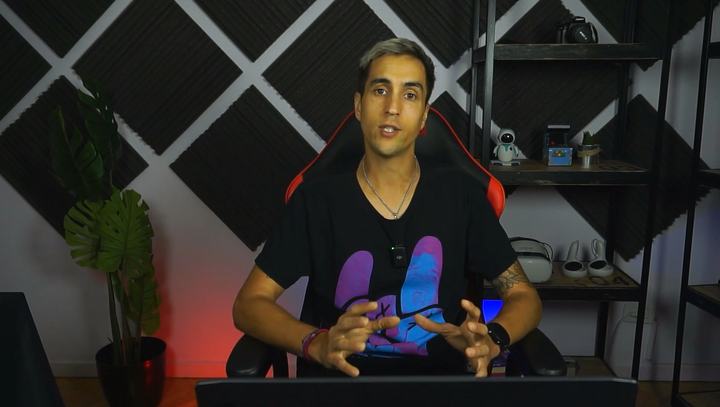
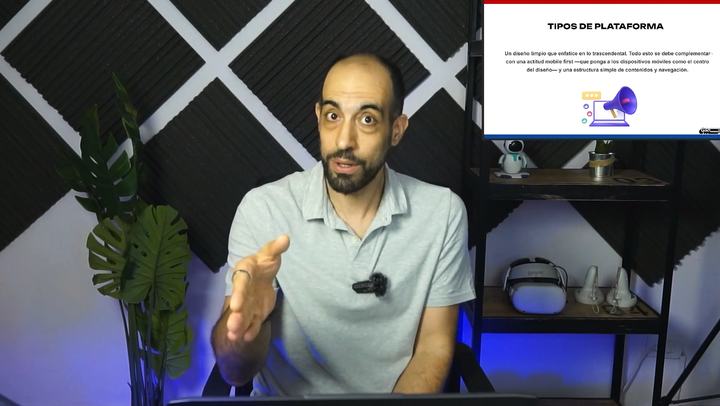
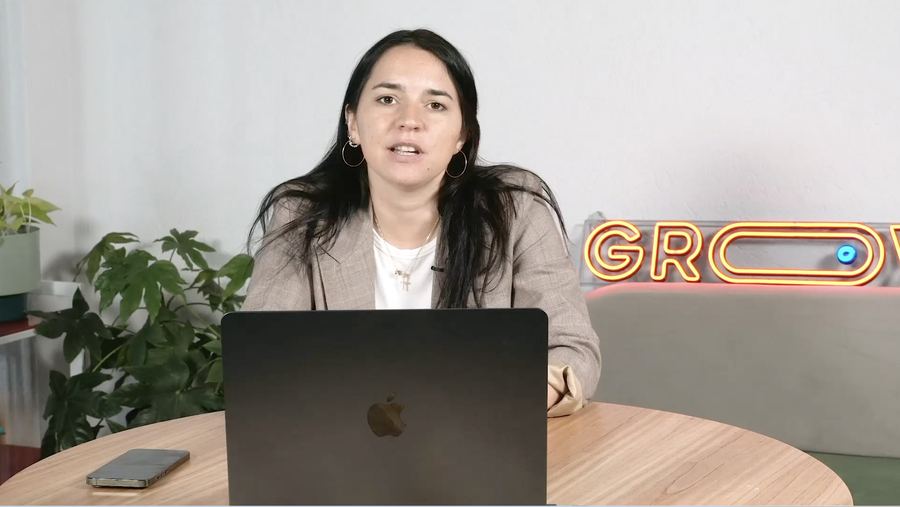
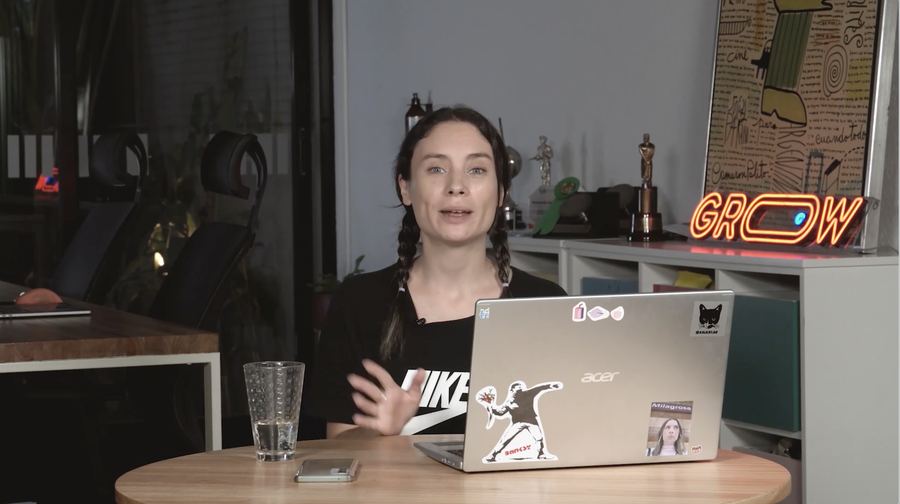
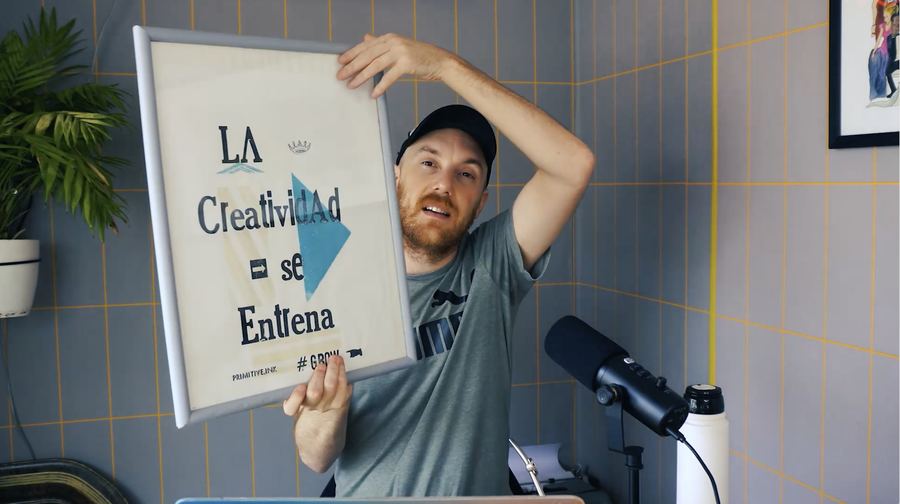
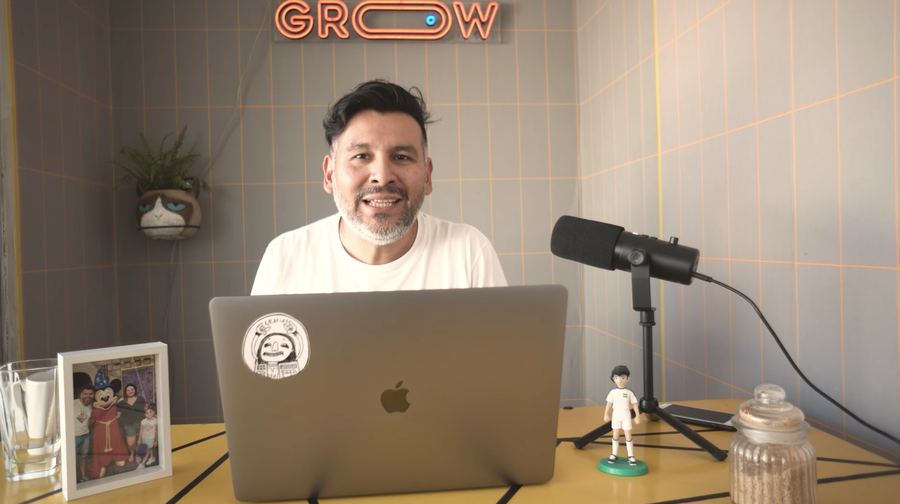
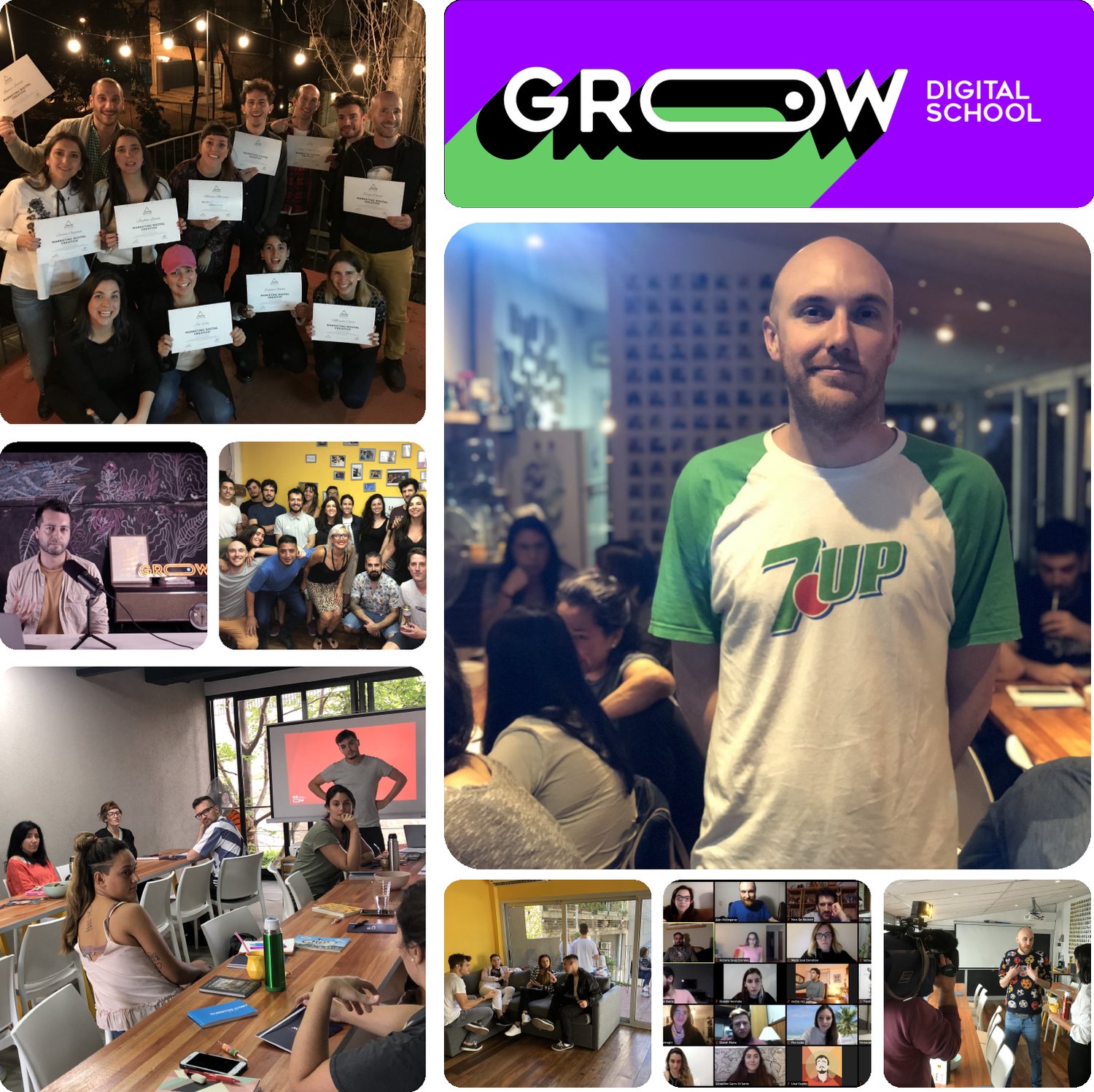
Nine years, one room at a time. Graduation nights, Saturday intensives, the podcast, a shoot in progress, and the Zoom grid that replaced all of it in March 2020. Everything else on this page is a claim about scale — this is what the scale was made of.
Argentina makes long-term planning a fantasy. Each era below is a different delivery model, a different cost structure, and a different version of my own job — and each one starts with something outside my control breaking the previous one.
Not all of it hands-on and not all of it alone — some of it directing, some co-directing with the academic team, a lot of it with my own hands because there was nobody else. What matters is that I've stood in every one of these positions and know what each of them actually costs.
Argentina's crises kept taking away the budget to hire someone. So I learned the job instead.
Paid media, email marketing, web design, commercial strategy, automation — none of that was ambition. Each one was a role I could no longer afford to fill, so I took it. The versatility on this page is the residue of nine years of not being able to pay for help.
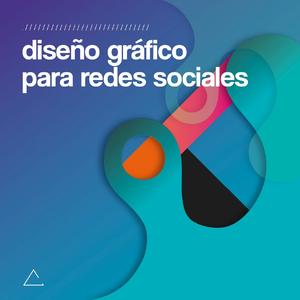
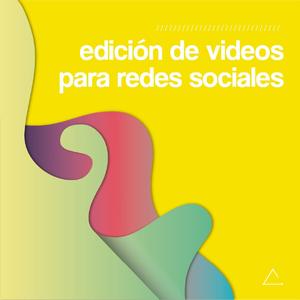
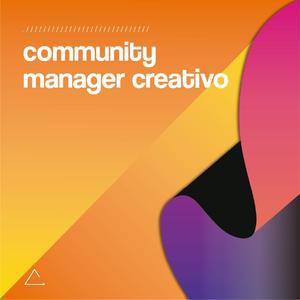
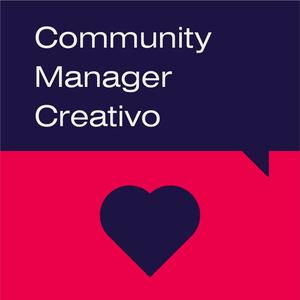
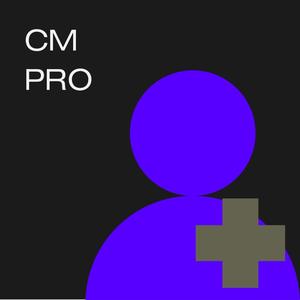
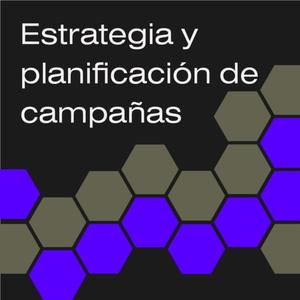
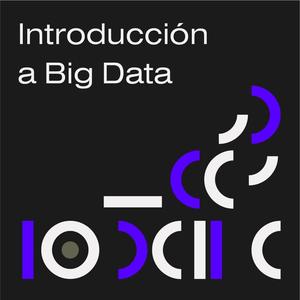
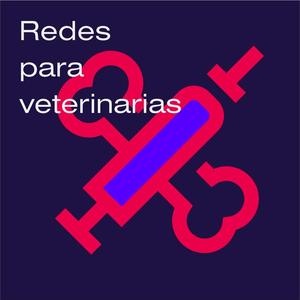
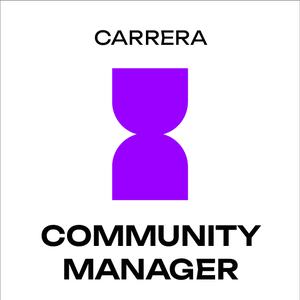
Every cover here was designed in-house — nobody outside ever saw a catalog made by a design agency, because there wasn't one. The fluid gradients run to 2019 and belong to the classroom school. The flat geometric system covers 2019 to 2023, when everything moved online. The solid-color badges are the final pre-recorded catalog.
Read left to right, the ribbon is the same three eras as the timeline above, told in artwork instead of decisions. In the middle a whole series appears aimed at single verticals — real estate, hospitality, tourism, retail, apparel, veterinary practices. That series is why RE/MAX called.
And in the last set, look at the word above each title. Some say CARRERA, some say CURSO. That is the modular architecture made visible: the career tracks are the generalist spines, the courses are the specializations that branch off them, and a student could tell which was which before reading a single description.
Plenty of these titles appear more than once across the three systems. A course keeping its name did not mean keeping its contents — each redesign was also a curriculum review, with topics added and dropped against where the field had moved. Some ran for years. Some ran twice and were closed. Both kinds are in here.

















































Thirty-plus workshops at the advertising school where I started. Seventy-plus workshops and webinars at Grow — in person, then on Zoom, then hybrid, for groups from a dozen people to several hundred.
It is the single skill that runs through everything on this site without changing shape. That session was the same job as a Saturday workshop on social advertising in 2016: read the room, find where people are actually stuck, and get them out of it able to do something they couldn't do when they walked in.
Companies came to Grow for a range of educational solutions — sometimes designed alongside their own learning teams, sometimes simply by listening to what a manager needed and putting the right specialist in front of the right people.
Custom in-company programs, tailored courses, course packages for a whole department. Same method every time: understand the gap, assemble the faculty, build the program around it.
Banking · brewing · agriculture · humanitarian · music · real estate · telecoms · aviation · transport · media · advertising

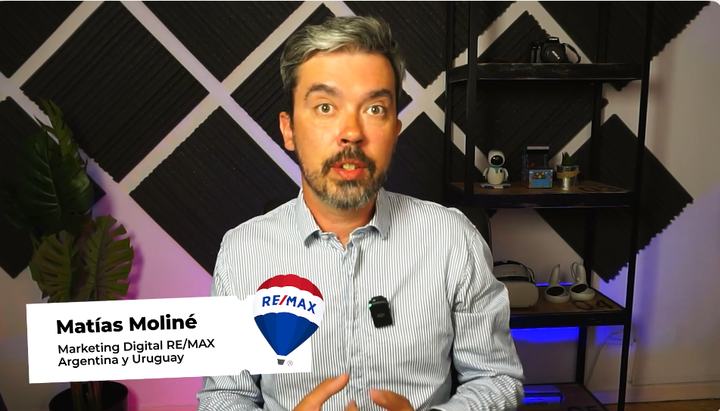
RE/MAX needed its agents running their own digital presence — personal brand, listings content, paid acquisition. We designed the program jointly with their learning team: six units built around what a real estate agent actually has to be able to do, from strategy and content pillars, through shooting a property on a phone, to building and reading a Meta Ads campaign.
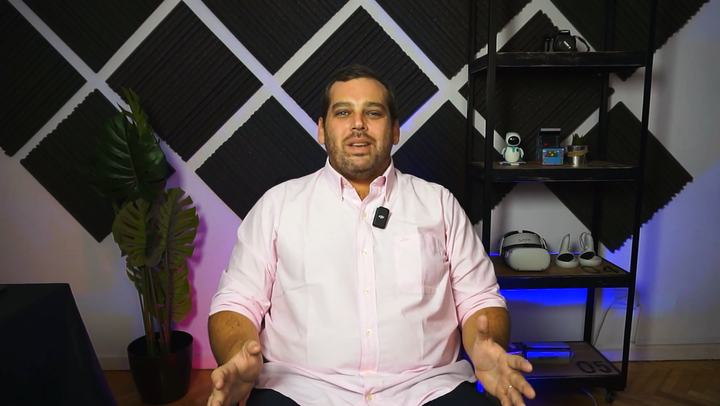
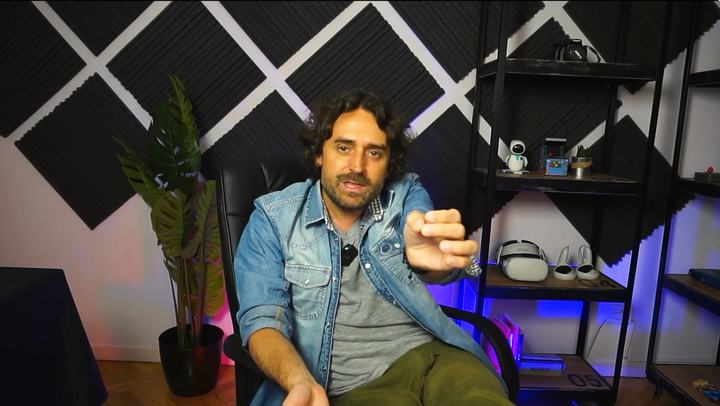
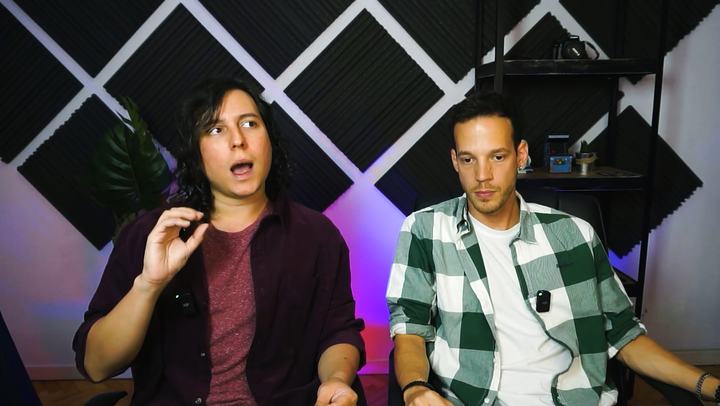
The client chose the higher production tier — our crew, our equipment, four days of studio — and we filmed ten different instructors, each covering the block they work in professionally. Grow didn't run the training. We built the content and licensed it to RE/MAX, who deployed it on their own internal learning platform.


Ten different people, one set, four days. Click to enlarge.
More than 150 professionals taught at Grow across nine years — minimum ten years in industry, every one still working in the field, all paid the same flat rate so people joined because they believed in the project rather than for the money.
They rotated constantly. Someone would run four or five editions, then their agency workload made it impossible, and a year later they would come back. So the job was never a training exercise with an end date. It was keeping a practitioner faculty staffed, current and good enough, permanently, with nobody on payroll.
Some of them are now among the most-followed creators in Argentina. They taught at Grow before anyone had heard of them.
Everything they taught had to be filmed, and I directed it. Experts freeze the moment a camera turns on — so never a script to memorise, always options to rewrite in their own words, shot in their own workspace. In 2021 that meant more than 500 promotional spots recorded in instructors' homes during the pandemic. In 2023 it meant 60+ hours of finished content for five courses in four months, shot in rented studios and then in one I built at home.


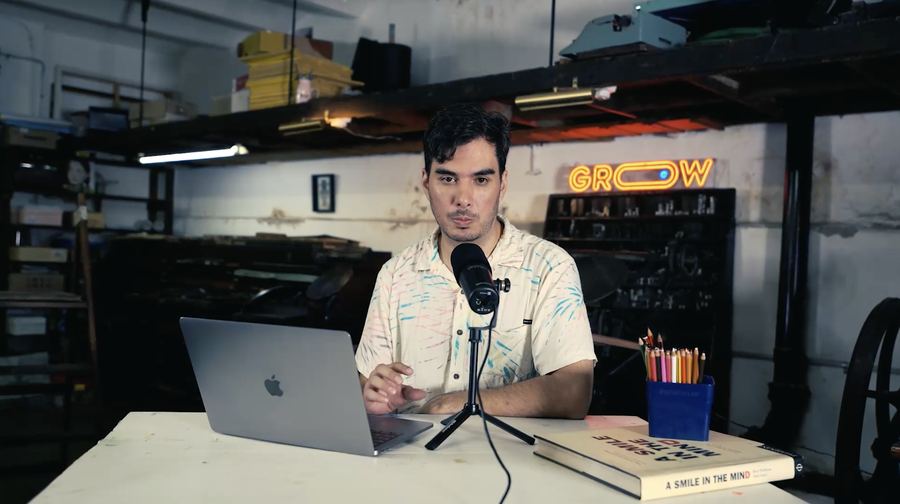
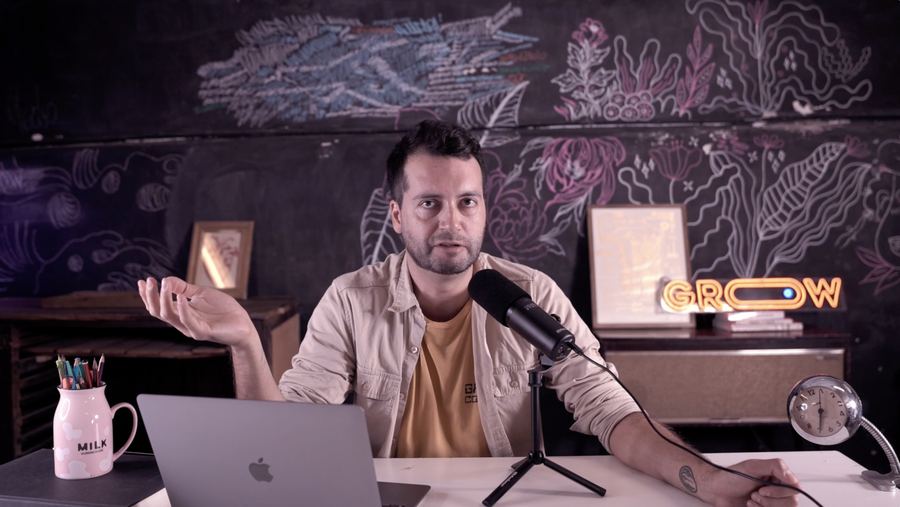
Six sets, six instructors, one recognizable school. A letterpress workshop, a chalk-mural room, a studio built at home — each one dressed, lit and shot so that a student always knew whose class they were in.
I made that content. Every post, every campaign, every one of more than a thousand creative pieces produced for Meta Ads across the school's life — written, designed, shot and edited in-house, by me.
It grew a community of 72,000+ across Instagram and Facebook that stopped behaving like an audience. They named themselves the Grow Army. They turned up in the comments of everything, and most new students arrived through word of mouth rather than through paid acquisition.
The advertising did a second job nobody outside the company could see: it was the fastest demand instrument I had. I would put a course concept into Meta Ads and read what pulled. What pulled got produced. That is how a school with no research budget decided where to spend production money — and it is why some courses ran one or two editions and were closed. A catalog with no failures is a catalog nobody was actually deciding.
The marketing wasn't decoration around the product. In a school that teaches communication, it was the product demo.
The honest ending: Argentina closed 2023 with inflation above 200%. Eleven courses reached finished identity, written syllabus and assessment design and were never produced. I chose automation over people because it was that or nothing — and that automated version is what carried me while I emigrated and built a professional career in the Netherlands.
In 2024 I bought out my partners by taking on the partnership's entire debt and cleared it in six months. The wind-down began in 2025, and course sales closed in August 2026. Once I could no longer develop new courses at the standard the school was built on, keeping it open was nostalgia, not business.
Right now the thing I'm making an organization learn is AI. I'm leading its adoption inside a global NGO — and looking for a team where learning what's next is the job, not something I do after hours.