
How it startedWhat I builtRegionalContent↑ Top
Case 03 · Brother Creativity School · 2011–2017
Brother

There was no job for me here. So I invented one.

I graduated from this school as an advertising creative in 2010. A year later I came back and offered to assist a teacher — unpaid, three nights a week, advancing his slides. Every instructor in the building was an established creative director. I was a junior. Six years later I was running the school's entire digital area.

Teaching assistant2011 · unpaid, three nights a week
Digital lead & academic director2017 · programs, faculty, regional rollout, content
Students / year
50400
Social audience
5,00050,000
Digital programs built
4
Best creative school
Every year
How it started

Unpaid, because I wanted to learn how a class actually works.

The school ran one annual course in traditional advertising creativity — two class groups, around fifty students a year. Meanwhile brands were moving serious money onto social platforms, and nowhere in Argentina could you learn how to make creative work for them.

I could see the gap from inside an agency, where I was living it daily. But nobody hands the digital strategy to the assistant. So I stopped waiting to be asked and proposed a course of my own — and then another, and then two more.

First year as a teaching assistant
Teaching in 2013
Teaching in 2013
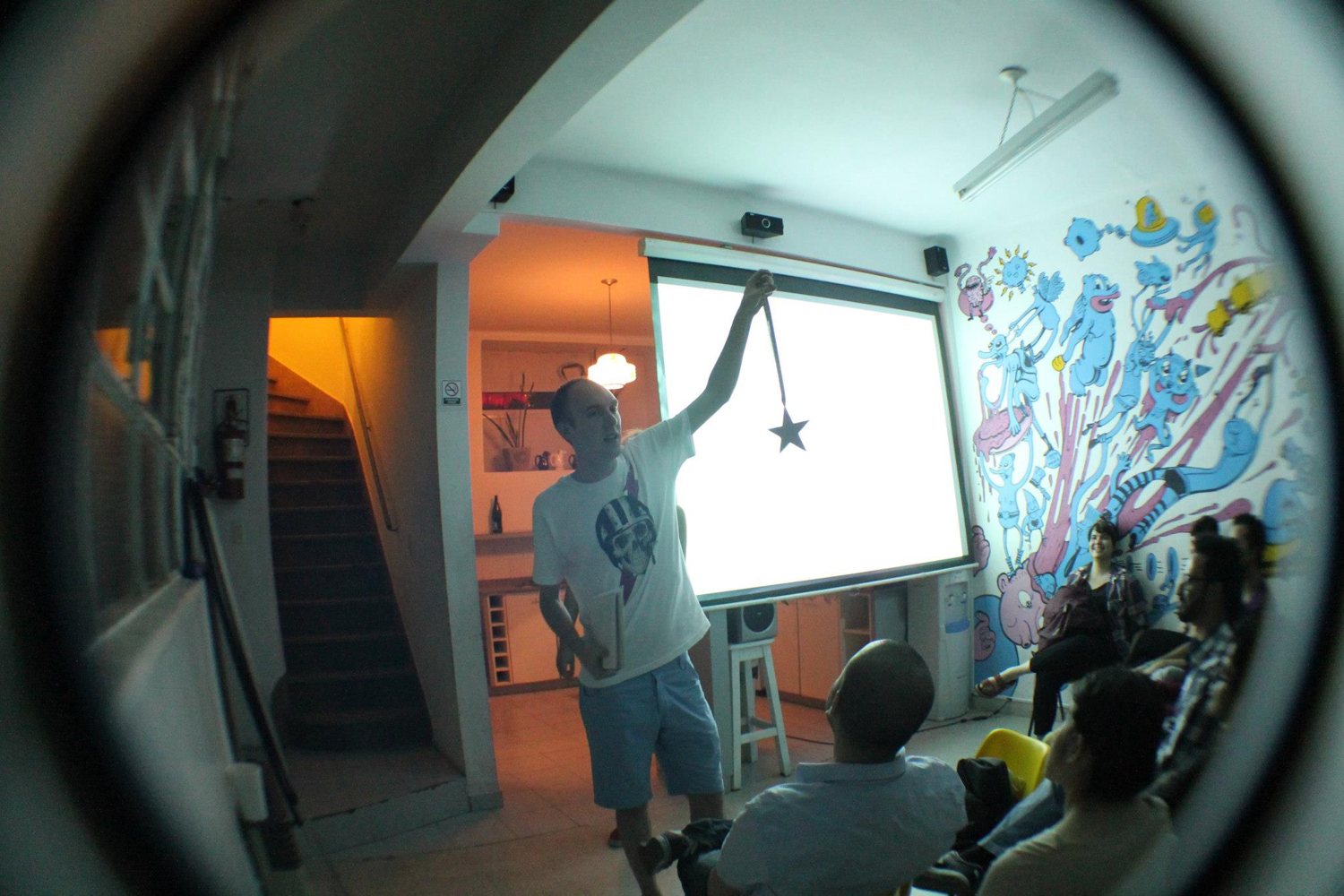
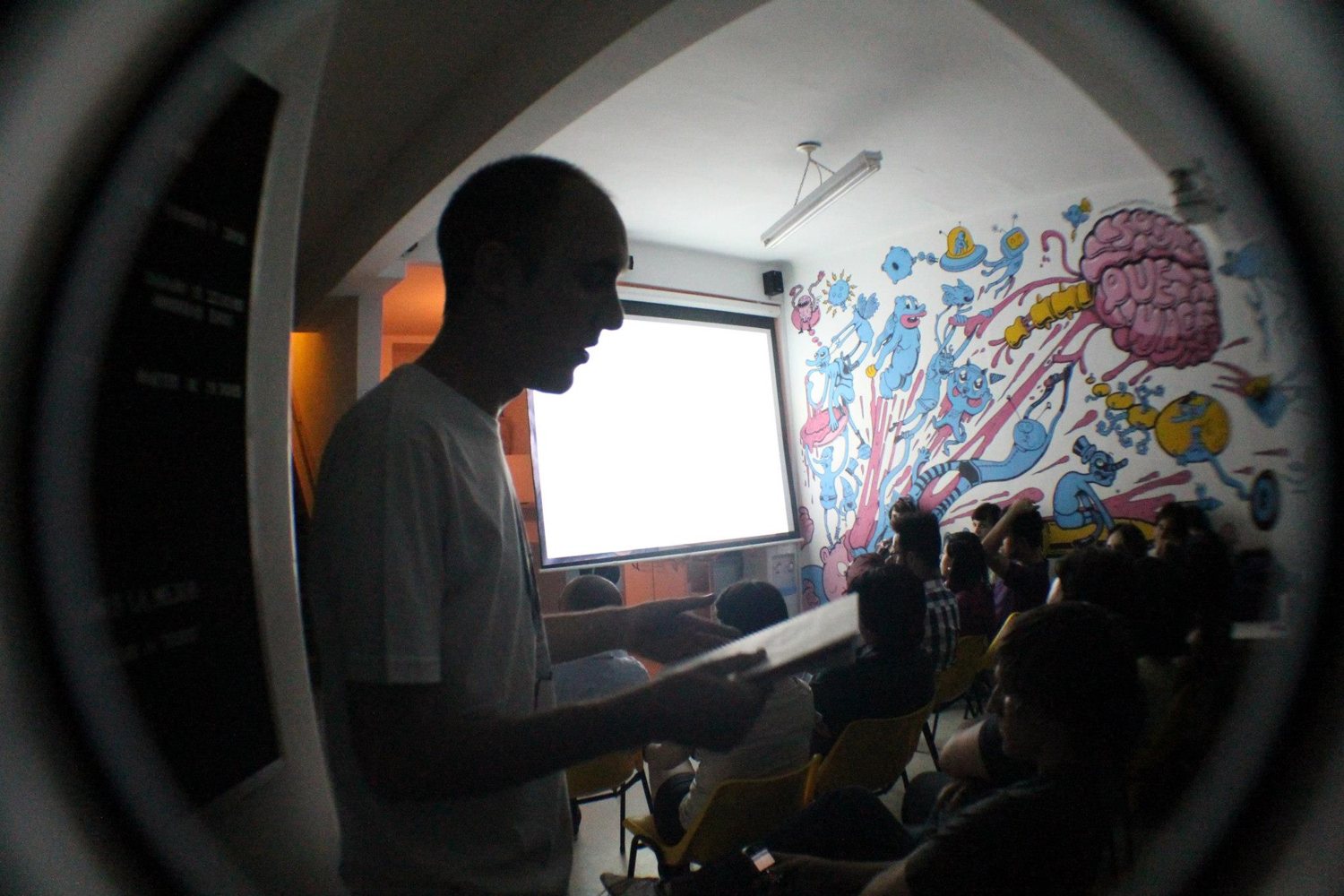
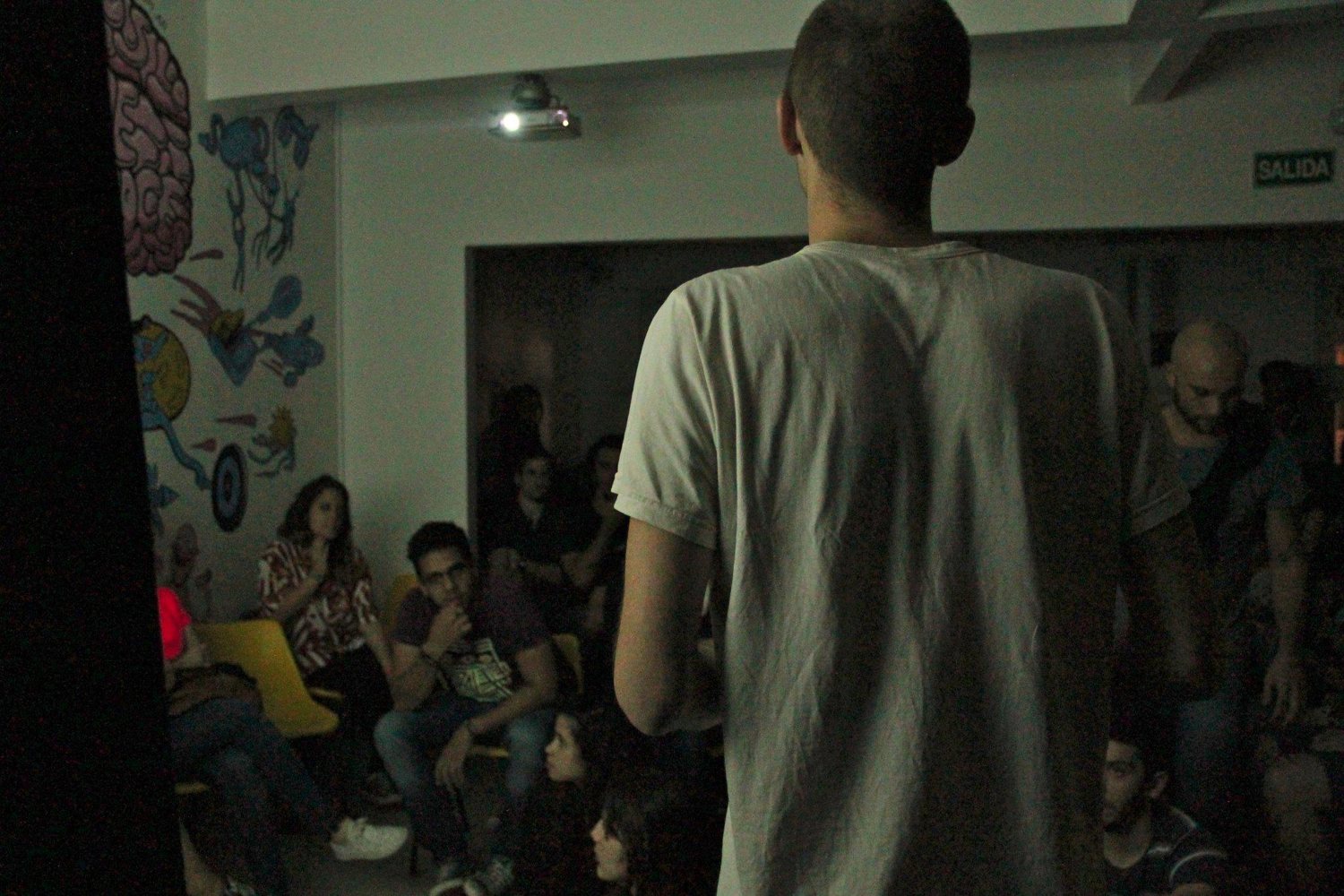
A class in progress
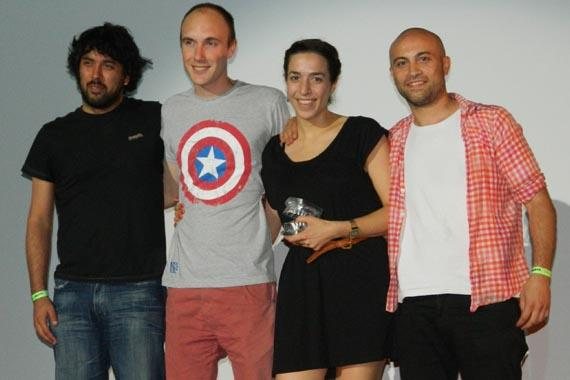
Receiving the national award for best creative school

2011 as the assistant, then 2013 with a room of my own. The school won the national award for best creative school in every one of the years I worked there — a team result, and one my programs contributed to.

Nobody hands the digital strategy to the assistant. You have to arrive with it already built.

What I built

Four programs, each one opening a door the school didn't have.

None of these existed before. Each started as a proposal, and each made the next one easier to approve.

The one that outlived me

The program the school kept teaching long after I left.

The annual program I designed in 2015 ran for years after I left, and was rolled out across the network. Of everything on this page, this is the piece of evidence I'd point at first: a program is only really good if it keeps working without the person who built it.

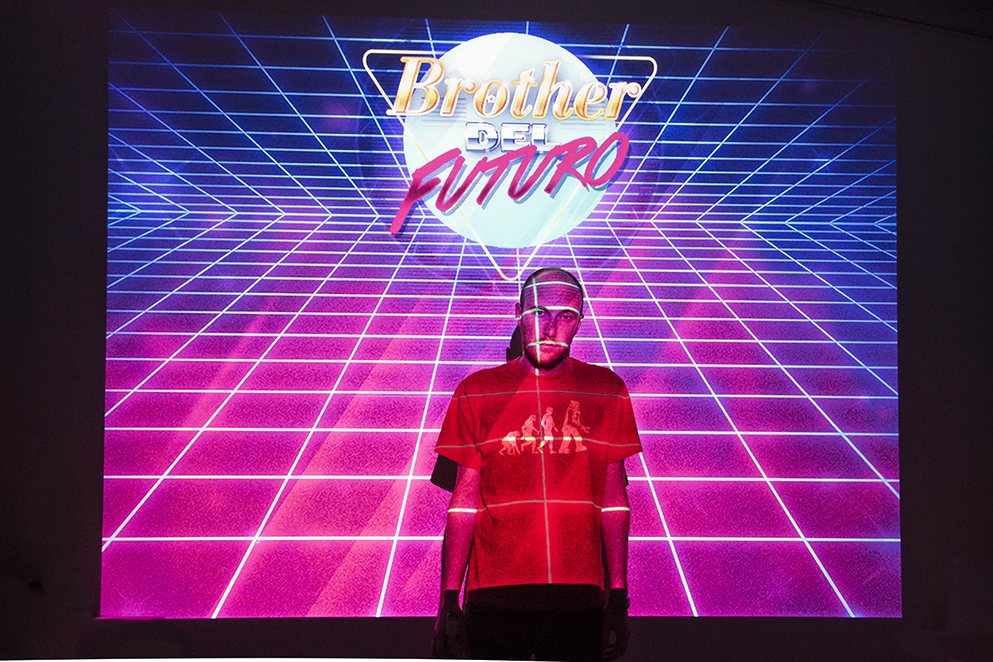
The launch film for Brother del Futuro. I wrote and directed the launch creative as well as the program — the same habit I'd carry into Grow: whoever designs the course should have to sell it.
Brother del Futuro
The identity I designed the program around — a maker-culture future, built in 2015.

What the school taught before, and what I changed

The annual courses ran on a simple model: a different creative director each night, arriving with a pen drive, showing a couple of Cannes cases, then setting the students loose on a brief. Excellent people. Not a program.

I introduced the slide deck as a teaching instrument — decks that told a story, carried references, and built an argument rather than listing examples. Then a syllabus full of interactive activity instead of briefs alone. And behind it, the part nobody sees: recruiting the instructors, coaching them, and directing what each of them taught so the four subjects actually added up.

i
Four subjects, deliberately interlocked
Creatividad Digital · Innovation Lab · Experiencias Interactivas · Startup Factory. One idea per student, carried across all four. Plus an optional fifth in copywriting and concept, so the program could accept people with no advertising background at all. Two evenings a week, plus two Saturdays a month.
ii
Three coaching checkpoints
Work didn't just accumulate. The concept was validated, then the mockup or beta, then the pitch — each at a scheduled session, before the project was allowed to move on. Assessment as a gate rather than a grade: no books, no marks, and a portfolio that had survived three reviews.
iii
Partners doing the teaching we couldn't
Free intensive workshops for enrolled students, taught by outside specialists: Arduino with a production company, then internet of things, drones, 3D printing, mobile, augmented and virtual reality. A school can't hire expertise that new. It can go and borrow it.

Students didn't leave with sketches. They left with prototypes and a pitch deck — and the ones who wanted to could take the idea to investors rather than into a portfolio folder.

Launch of Brother del Futuro
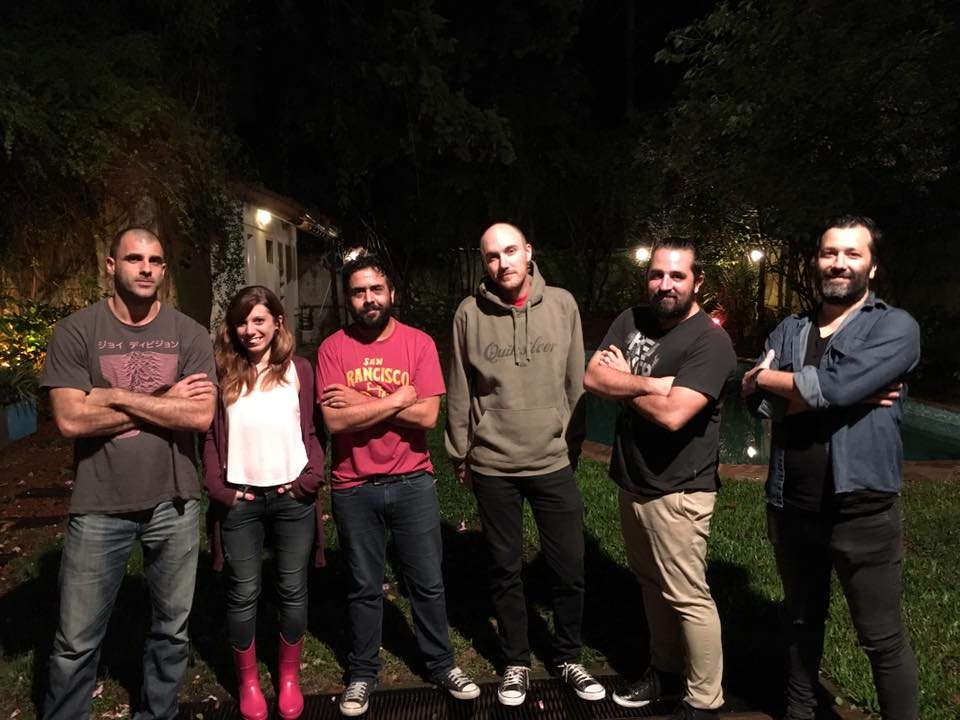
The faculty recruited for Brother del Futuro

Right: the five instructors I recruited and briefed. My first time building a faculty rather than being one — the skill the whole of Grow was later built on.

So the network asked for it

It worked well enough that the network asked for it everywhere.

Brother was already a network of campuses across Spain and Latin America. What Buenos Aires had that the others didn't was digital — so once the programs worked here, the founder asked me to take them out to the rest of the network.

I worked with the local faculty in each city: trained them on the program, and then did the part that decides whether a rollout survives — defining what had to stay identical everywhere and what each country was free to change. Get that line wrong in either direction and you either strangle the local team or lose the thing that made the program worth copying.

Buenos AiresWhere it was built
MontevideoUruguay
LimaPeru
BogotáColombia
Santo DomingoDom. Republic
BarcelonaSpain
MadridSpain
Six countries · each one a faculty to train and a program to adapt

Six countries, and each one meant a faculty to train and a program to translate. Not a copy-paste: the Uruguay edition was rewritten around a different calendar and a different market before a single class ran.

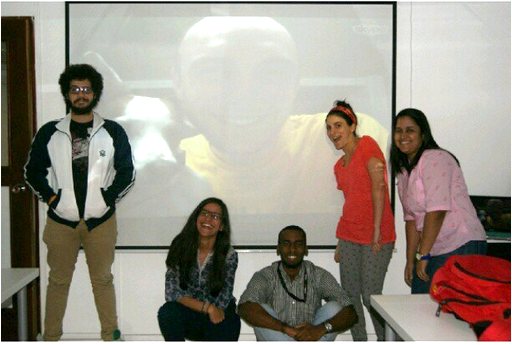
Teaching into a classroom in Santo Domingo over Skype
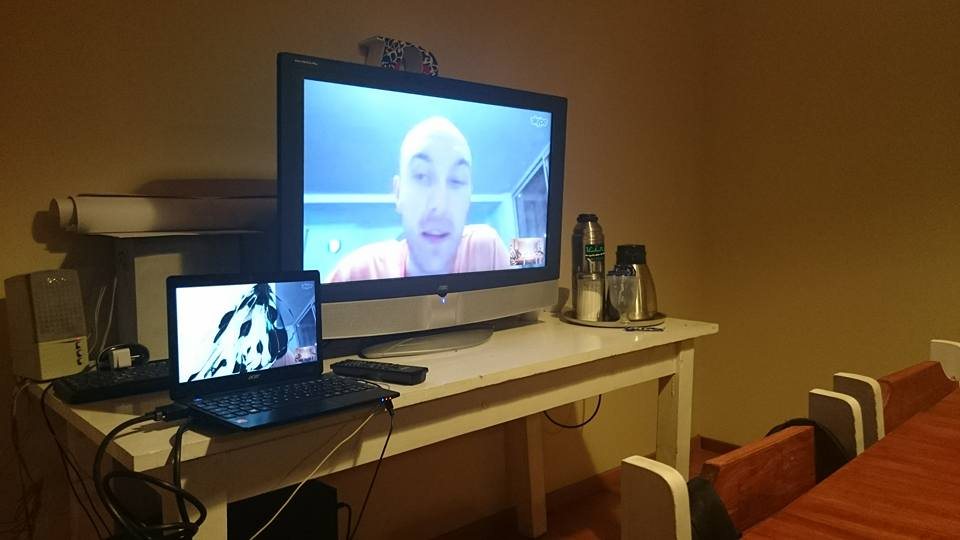
The Skype teaching setup

Santo Domingo, 2014 (left). I flew out to teach an intensive two-week version, then kept teaching it from Buenos Aires — projected onto a wall, into a room of real students, over Skype. Six years before the world discovered remote teaching. It taught me the lesson I'd relearn in 2020: the technology is never the hard part. Holding a room you aren't standing in is. On the right, the same setup a few months later — teaching into a classroom in Uruguay from Buenos Aires over Skype, also 2014.

Beyond the syllabus

Students need something real to make.

Portfolios full of ideas that were never produced are the standard output of a creativity school. I spent six years attacking that by finding people outside the building who needed exactly what our students could give them.

i
Three parties, one workshop
NGOs with a cause and no budget. Digital production companies with capacity and an appetite for work worth showing. Students with ideas and nothing to make them with. I put the three in a room — housing charities, blood donation campaigns — and real campaigns came out of it.
ii
Technology before it arrived
Augmented reality, virtual reality, bitcoin, RFID — workshops run in the years those were still curiosities. The point was never the technology. It was giving students the reflex of picking up something unfamiliar and asking what you could make with it.
iii
A room full of who's hiring
Each year I ran an event bringing creative directors from the country's digital agencies in to meet the students and review the portfolios they'd built. A program only counts if it ends somewhere. Several students walked into agency jobs from that room.
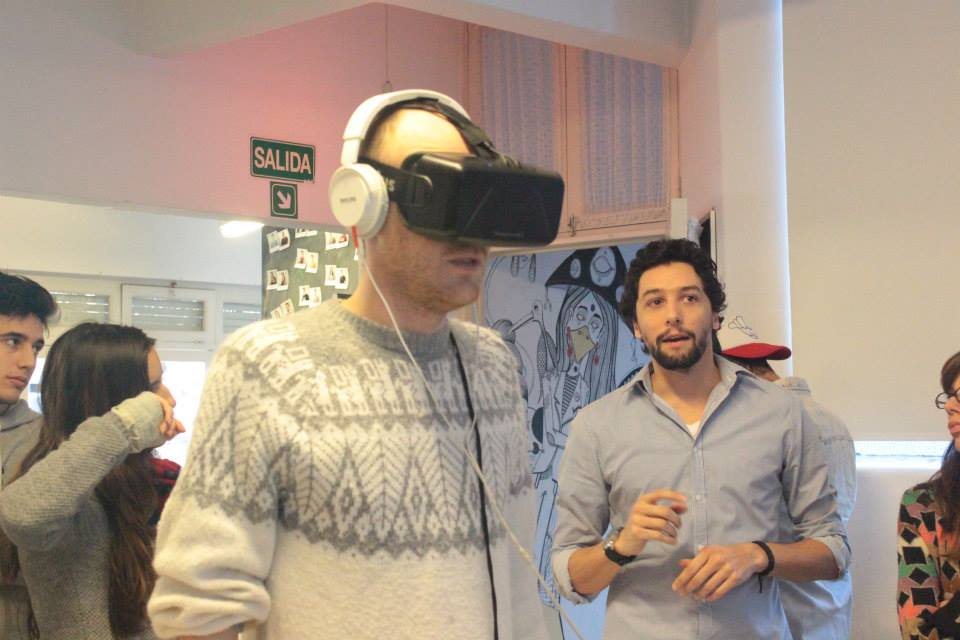
Virtual reality workshop with a production company and an NGO
A class of Brother del Futuro students

Left: the VR workshop, run with a digital production company and a housing charity. Every one of these started with me emailing and phoning strangers until enough said yes. Most said no. That's the job.

The other half of the role

I also ran what the school looked like from the outside.

Alongside the programs I was the school's content manager, on Facebook, in the years when Facebook was where everything happened — and I ran its paid campaigns. What I made wasn't campaign material: it was the school from the inside, classes as they happened, students' work, the faculty being themselves, the mess of a workshop in progress.

Audience went from 5,000 to 50,000, and enrollment followed. Prospective students don't want to be advertised at. They want to see what the room feels like before committing a year of their evenings to it.

That was 2011. I've been working on the same problem ever since — how you persuade an adult to invest their own time in learning something — and it's the problem I'd rather keep working on.
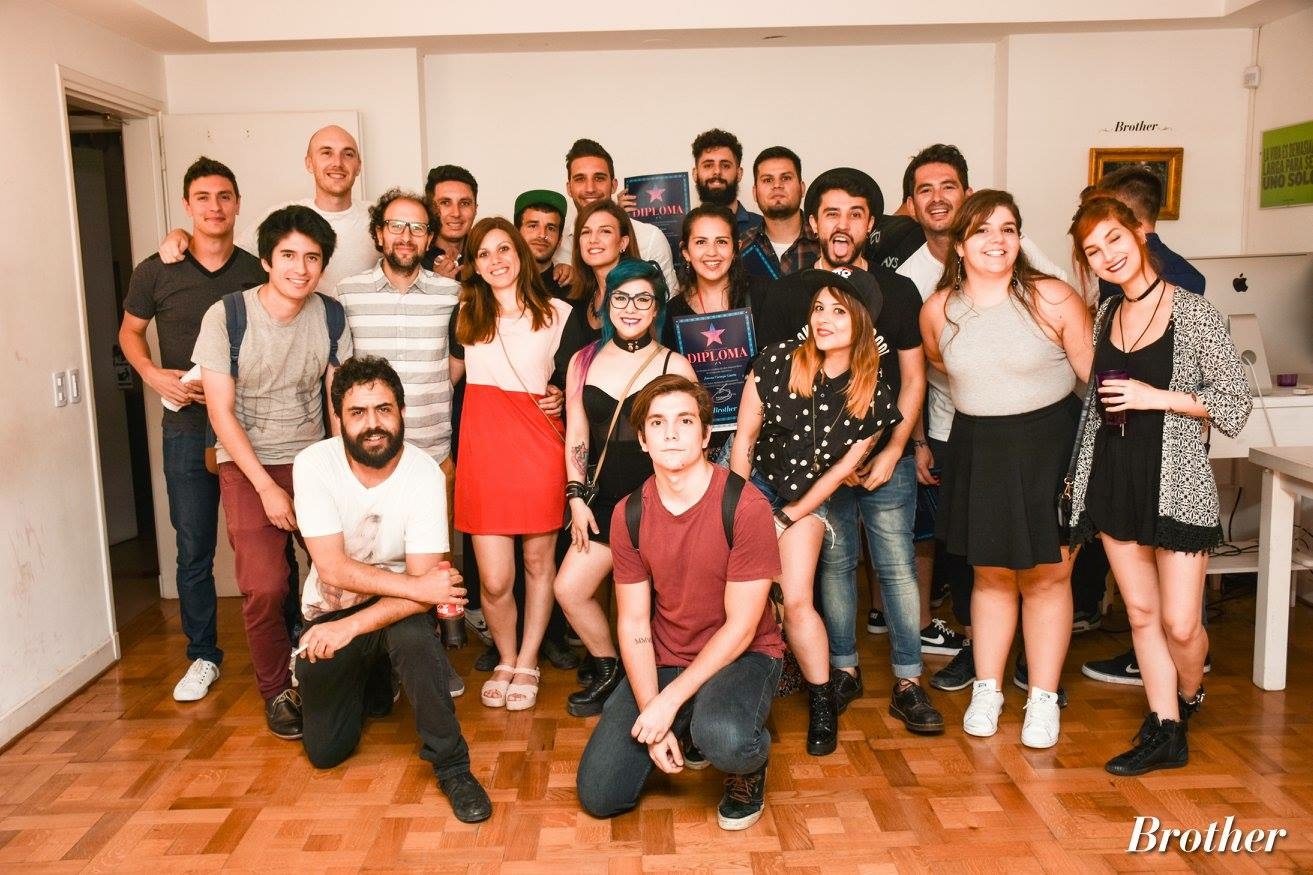
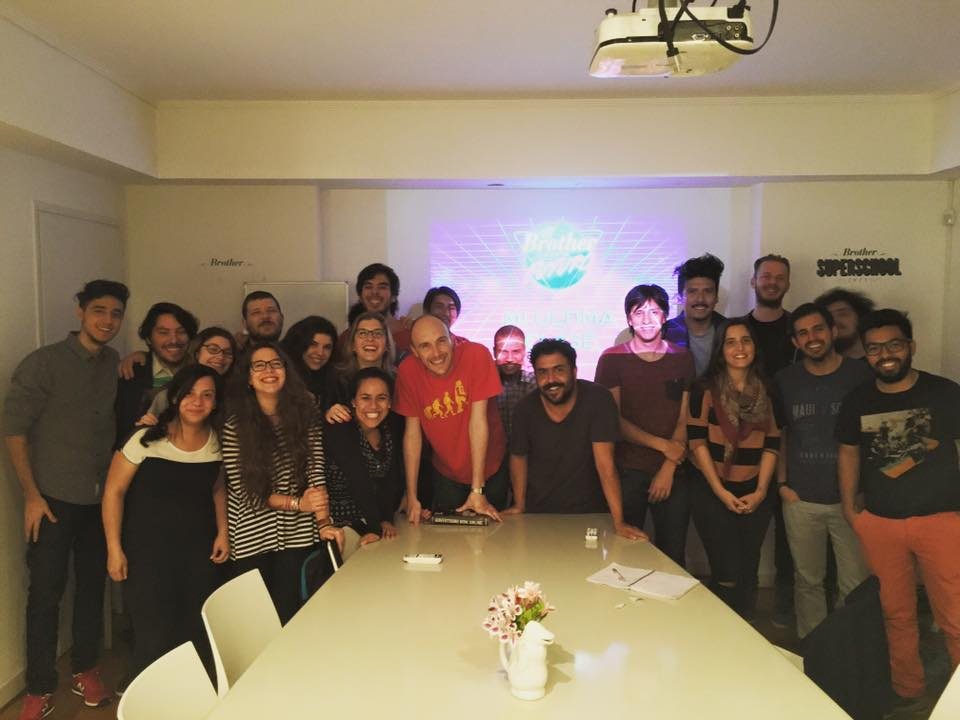
A graduating group of students

This is what the content was of. Not a campaign — a room.

Six years running the academy before I owned one.

Everything Grow became started here: designing a program around what the market will need next rather than what the school already teaches, recruiting practitioners and coaching them into instructors, selling a course, and handing a program to people in another country so it still works without you.

The school went on to become the largest creative school network in Latin America, and after I'd left it was named the best creative school in the world at Cannes, in 2021 and again in 2023. Many of the students from those first digital classes now lead creative teams at major agencies.

I left in 2017 to build my own.

Keep going